
Preparing for Joint Commission Tracer Methodology Audits

What tracer methodology means for tissue and implant documentation

Hospitals are seeing a renewed focus on Joint Commission tracer methodology audits, particularly around Transplant Safety and tissue and implant documentation. These inspections follow a patient tracer approach, where surveyors trace a patient's care journey and examine the documentation associated with each item used along the way.

For biologic and non-biologic implants, this often means being prepared to show:

  • How items were received and verified
  • How they were stored and tracked
  • When and how they were issued or used
  • What regulatory documentation supports their use

During inspections, responsibility for retrieving this information often falls to tissue bank managers, implant coordinators, OR teams, quality staff, or supply chain — often with limited notice and under time pressure.

Audit readiness increasingly depends on having accurate tissue and implant documentation already consolidated and accessible — without requiring staff to search across disconnected systems, switch tabs, or rely on memory.

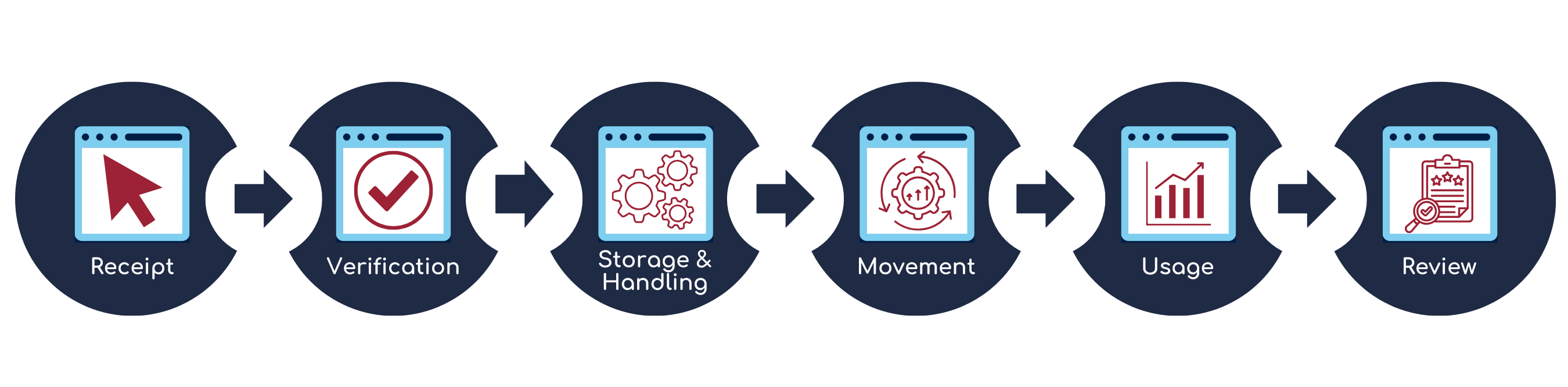
During tracer methodology reviews, Joint Commission surveyors may examine how hospitals document chain of custody, temperature handling, packaging integrity, regulatory records, and item usage across a patient's care timeline. This includes all tissue and implant activity from receipt through implantation, as well as recall status.

Teams may be asked to retrieve documentation such as:

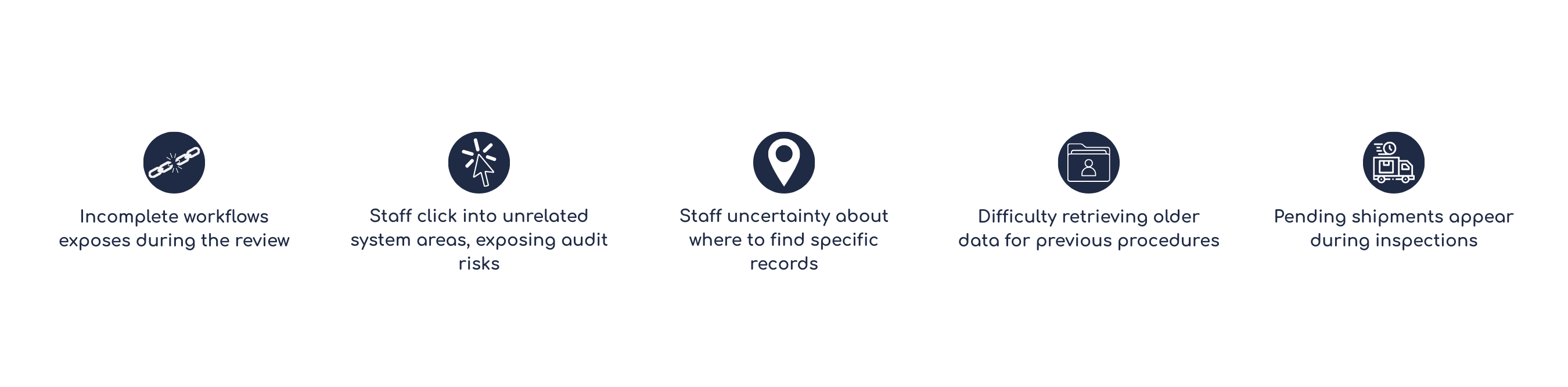
When documentation lives across multiple systems or requires switching tabs, the risk of error increases. Staff may feel rushed, forget where documents are stored, or inadvertently navigate into unrelated system areas — creating unnecessary audit exposure.

Staff turnover can further complicate inspections. Even well-trained teams may struggle if key staff are unavailable or unfamiliar with where documentation lives.

Gaps in tissue and implant documentation are often uncovered during inspections — when time is limited. In fragmented environments, even experienced teams may struggle to retrieve complete records, uncovering missing logs or in-process items that have not yet been reconciled.
 
These challenges can lead to delays, re-inspection, and short correction windows — often 30 to 60 days — with potential financial and operational impact.
 
A more consolidated approach reduces complexity and improves a hospital's ability to prepare for and respond to Joint Commission tracer methodology inspections.
Joint Commission Readiness LP Graphics (1) Joint Commission Readiness LP Graphic
Impressive work
Nothing else matters

During an inspection, staff should not have to search across disconnected tissue and implant systems to retrieve documentation. A single, contained view helps teams respond clearly, without navigating unrelated workflows or relying on memory. Many systems require staff to move between tabs or screens to assemble this documentation during inspections, increasing the risk of delays or unintentionally exposing unrelated system areas.

Patient Tracer, a built-in workflow in InVita's UDITracker, supports audit readiness by consolidating tissue and implant documentation commonly reviewed during tracer methodology into one place: the Item History record. The record includes confirmation of final item disposition linked to a patient case, maintained within a single system of record.

During tracer methodology inspections, documentation is accessed through a structured workflow that connects tissue and implant records across the patient's care timeline.

Rather than assembling information from multiple systems during an inspection, documentation is surfaced through a single Item History view that brings together the information surveyors commonly request. This documentation view is used during a Joint Commission survey when a patient tracer is requested, as well as when reviewing or responding to a product recall or safety investigation, during internal audits or quality assurance reviews, and when clinical, supply chain, or regulatory leadership requests verification of product use.

→ Temp Logs → Issue Case → (2) → Temp Logs → Issue Case → (2)
Impressive work

Patient Tracer is one built-in capability within InVita's UDITracker that provides a complete digital chain-of-custody and item history record for tissue and implant documentation.

With Patient Tracer, hospital teams retrieve required tissue and implant documentation during inspections:

  • Without switching systems or tabs
  • Without opening unrelated workflows
  • Without relying on individual staff knowledge or availability

For hospitals already using UDITracker, Patient Tracer is available as part of the platform — no add-on or additional setup required — supporting consistent inspection response, especially in high-turnover environments. Many hospital teams may not have needed to use this capability until now, as inspection activity continues to ramp up.

The Item History Record

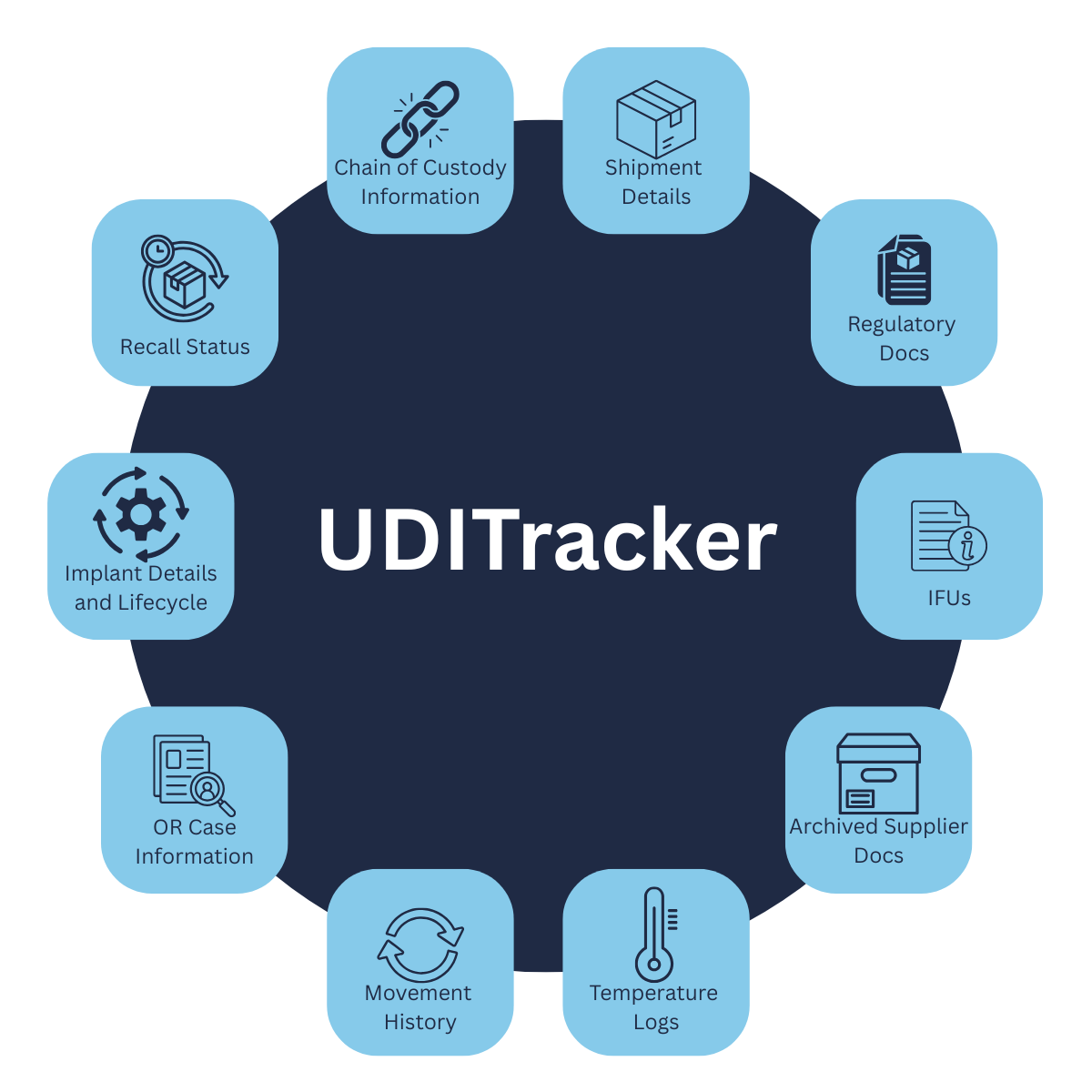
The Item History record brings together tissue and implant documentation commonly reviewed during inspections, including:

✔️ Shipment details (supplier, PO, date, shipment integrity)
✔️ Regulatory documentation (FDA, AATB, state)
✔️ Supplier credentials, Instructions for Use (IFUs) and archived supplier documentation
✔️ Temperature logs and packaging integrity checks
✔️ Movement history (origin, movement, issue)
✔️ OR case usage
✔️ Implant details and lifecycle status
✔️ Recall status
✔️ Chain-of-custody information
✔️ Frozen item temperature maintenance records (if applicable)

By keeping this information in one structured view, teams can respond to surveyor questions — even for cases that occurred months or years earlier — without switching tabs or exposing in-progress or unrelated system areas during inspections.
UDITracker's Patient Tracer Item History Record

FAQs

Is Patient Tracer already part of UDITracker?

Yes. Patient Tracer is a built-in capability within InVita's UDITracker platform and does not require separate setup or add-ons. It is available to all hospitals using UDITracker.

It supports documentation readiness by providing a single system of record and a complete, bidirectional record of an item used for a specific patient for tissue and implant activity commonly reviewed during Joint Commission tracer methodology inspections.

What does Joint Commission typically review during tracer methodology inspections?

Tracer methodology approach focuses on how hospitals document and manage processes across a patient's care experience. For tissue and implant management, this often includes documentation completeness, traceability from product receipt through patient use, chain-of-custody, temperature handling when required, verification of supplier credentials and Instructions for Use, recall documentation when applicable, and confirmation of final item disposition linked to a patient case.

What makes UDITracker's Patient Tracer different from other systems?

Many systems require users to navigate across multiple screens or rely on staff knowledge to locate supporting documentation. UDITracker's Patient Tracer presents a single, consolidated audit view that brings together the information typically reviewed during a tracer, helping reduce audit risk and improve response efficiency. This view provides a complete, bidirectional record of an item used for a specific patient, maintained within a single system of record.

How does Patient Tracer help reduce audit risk?

By centralizing tracer-related documentation in one place, Patient Tracer helps eliminate common risks like staff confusion or accidental exposure of incomplete or unrelated workflows during inspections.

This same centralized approach supports response during Joint Commission surveys when a patient tracer is requested, as well as during product recalls, safety investigations, internal audits, and leadership verification requests.

Back to top

UDITracker: An Integrated Tissue and Implant Management Platform

InVita's UDITracker is an integrated platform for managing tissue and non-biologic implants across their full lifecycle.

Patient Tracer is a built-in capability that centralizes chain-of-custody documentation and item history, supporting preparation for and response to Joint Commission tracer methodology inspections.

Explore how Patient Tracer supports Joint Commission tracer documentation readiness in practice.

Missed a session (700 x 500 px) (2) Missed a session (700 x 500 px) (3)
Impressive work